

Kentucky is known for an abundance of culture, including horse racing, Bluegrass, tobacco, Kentucky Fried Chicken (KFC), and most admirably for its supreme bourbon made from a mash bill of grains, yeast, and water, and most notably, with half of the mixture consisting of corn. The sweet, golden flavour of bourbon is universally popular, and there’s no surprise that it has generated $9 billion for Kentucky’s economy.
Before any of these Kentucky originations, was the discovery of bourbon whiskey, named after where it was born and bred, Bourbon County. Europeans played a significant role in this discovery as well, with the new settlers bringing their age-old traditions to all across America.
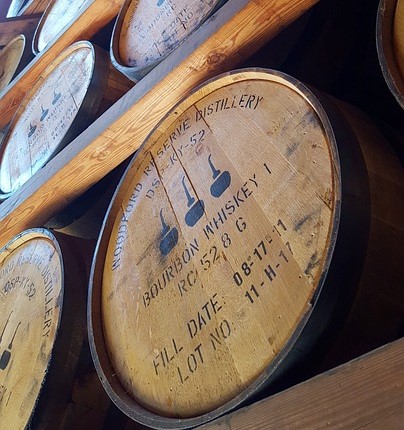
Influential European Settlers
In the 1600s to 1700s, an influx of settlers from the likes of England, Scotland, Ireland, France, Spain, Germany, and the Netherlands came to America – known then as the ‘New World’. The first introduction of alcoholic distillation came along with the settlers, after the English, Scottish and Irish settlers longed for the comfort of their traditional whiskey from home. They introduced the natives to the method of whiskey distillation, with recipes from their home countries – the Scottish settlers with their malted barley ‘whisky’, the Irish with their sour mash of malted cereal grains, and the vanilla notes of English whisky recipes.
In 1791, much to the upset of whiskey distillers, a whiskey tax was brought to fruition. This was met with uproar, and many whiskey distillers were against the idea because of the unfair tax on smaller distilleries. It then led to a large-scale outbreak of violence in July 1794 to demand the new law to be overruled – this went on to be named ‘The Whiskey Rebellion’.
During the rebellion, George Washington dispatched troops in an attempt to de-escalate the rebellion. It was only later, in 1802, that the tax was repealed as the tax collection became increasingly difficult. The Whiskey Rebellion is now an important event in American history as it is one of the first tests of federal authority in the USA and was a major insurrection involving hundreds of rebellions and thousands of troops.
Around the time of the Whiskey Rebellion, settlers from different regions in America packed up and planned to relocate to Kentucky. Those interested were offered an incentive by the government of Virginia which included 400 acres of land with two simple stipulations – they had to build cabins and plant corn. When settlers later escaped to Kentucky, they discovered that the area had fertile ground, an array of plants and trees, along with natural water sources which had deposits of blue limestone which filtered out harsh, unwanted chemicals and instead possessed sweeter minerals. Because of Virginia’s incentive, there were large amounts of corn crops planted throughout Kentucky. Corn grew faster than wheat or rye in Kentucky and it had a high sugar content, so it was the best food source at the time.
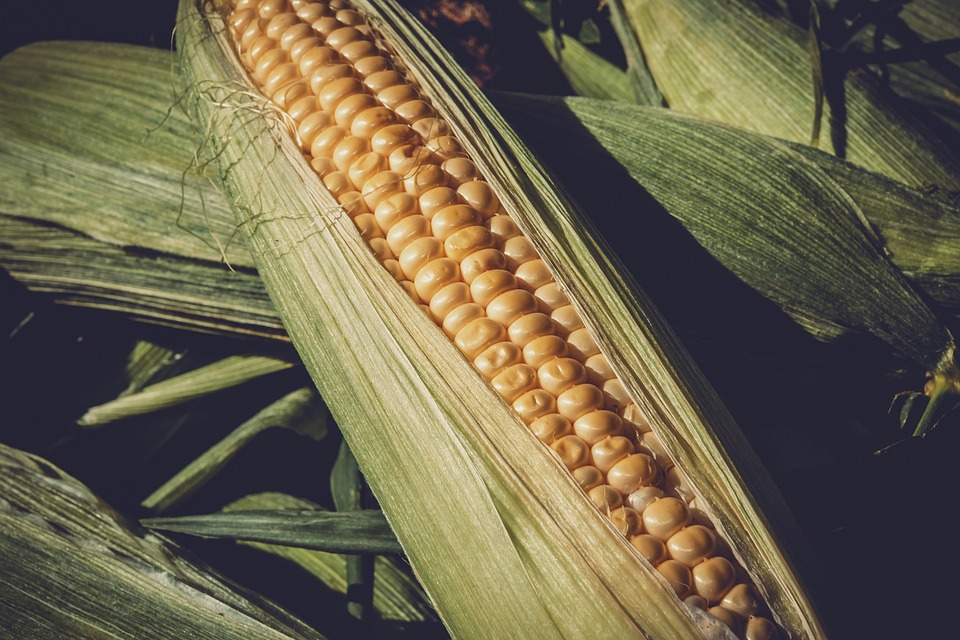
One day, Kentucky settlers wanted a better solution for distributing the corn crops over rocky, narrow trails and mountainous terrains. They decided on the idea of converting the corn and other grains from their crop into a liquid by using the same distillation style the Europeans brought with them. It made the goods easier to transport and prevented any spoiling. The farmers then found that after long journeys of distributing the goods in oak barrels under Kentucky’s hot climate, that it aged the liquid giving it a mellow flavour and golden-orange hue. It was Kentucky’s ideal climate that helped the fascinating creation of bourbon, with its scorching hot summers and freezing winters, progressing the distillation process, and further enhancing the distinctly oaky flavour.
It was later named ‘bourbon’ after the county in Kentucky – ‘Bourbon County’. Even though bourbon doesn’t have to be made from Kentucky, most of it is, with 95% of the world’s bourbon originating from Kentucky!
Rules and laws of bourbon
In the late 1800s, alcohol was bought in barrels instead of bottles, which made it easier to be tampered with. For consumers’ protection, the federal government mandated specific rules for whiskey distilleries.
- The spirit must be aged for at least two years
- It must be bottled at no more than 125 proof and no less than 80 proof
- It must be aged in a bonded warehouse in new, charred oak containers
- Its ingredients must include a minimum of 51% corn
- Nothing else can be added other than water – so bourbon has to have natural ingredients
It was then labelled ‘bottled in bond’ to note that it followed these regulations. Today, it simply means that a whiskey is craft-certified and top quality.
In 1964, US Congress passed a law which declared bourbon as an indigenous product of the United States, and that all whiskey made in the US is to be named ‘bourbon’. This came a year after bourbon was recognised as the top-selling liquor in the US.
Now, bourbon whiskey is renowned for its art and pleasurable taste and is savoured by whiskey connoisseurs everywhere. There is even a whiskey tasting experience that is dedicated to tasting bourbons and learning about Kentucky bourbon history from distilleries all over America, called the Kentucky Bourbon Trail. Bourbon brands have produced some of the finest, award-winning bourbons, with the likes of Wild Turkey, Old Forester, Evan Williams, and Belle Meade. What started as a method for preserving food became a delicacy that the whole world enjoys.